Multi-layer PCB, HDI PCB, Rigid-flex PCB, PCBA factory


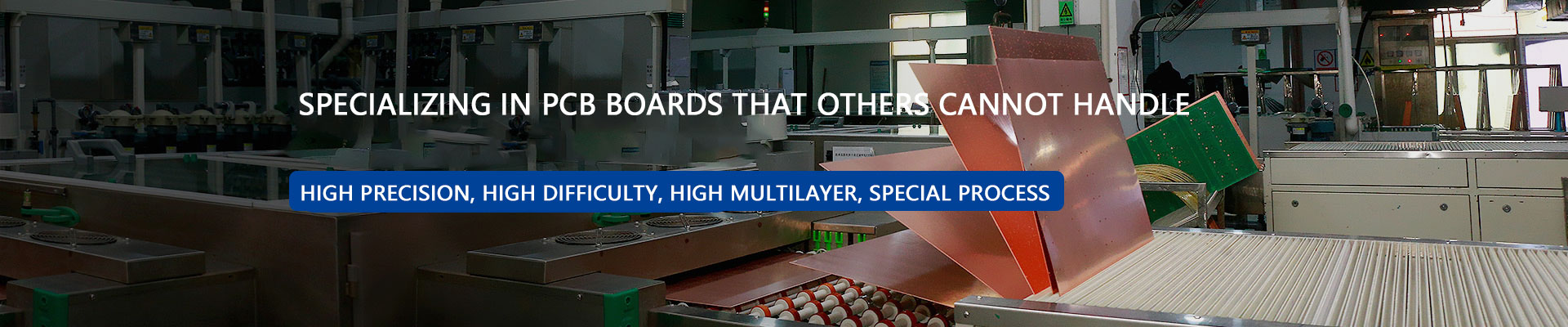
There are many situations that can cause rough soldering on PCBs, such as incorrect soldering temperature, incorrect solder composition, and so on, which can lead to rough soldering on the substrate. However, rough soldering can have a negative impact on the performance of components on the PCB board, and efforts should be made to avoid this situation. The following can be explained in three situations:
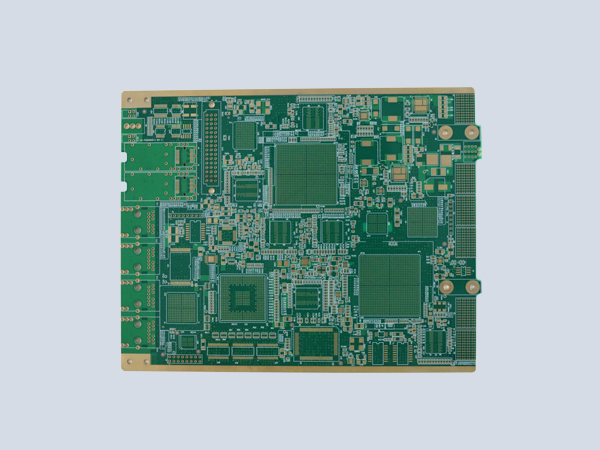
One factor is the temperature of PCB soldering, and the roughness of the substrate caused by soldering at inappropriate temperatures can account for more than 40%. Therefore, the manufacturer must strictly control the soldering temperature and soldering time. In response to this issue, design and production personnel can choose to correct the welding preheating temperature on the conveyor belt speed to establish an appropriate relationship and avoid the occurrence of welding roughness. The second reason is that the solder composition is incorrect. Before welding, the production personnel must strictly inspect the composition of the solder to determine the type of solder and the appropriate welding temperature for a certain alloy, and ensure that the solder is not affected by pollutants. In addition, the stability of the PCB board should be ensured before soldering cooling. If vibration problems occur at this time, it is also easy to cause rough soldering. It is necessary to keep the substrate stationary. The three types are during the PCB manufacturing process, if it is found that after the occurrence of rough welding, there are also situations such as welding blocks and protruding solder objects, the designer must check the board surface as soon as possible to see if there is contamination or if there is a low secondary welding waveform or low soldering temperature. These factors are also important reasons for the occurrence of welding roughness problems.
 QR code WeChat
 Whatsapp