Multi-layer PCB, HDI PCB, Rigid-flex PCB, PCBA factory



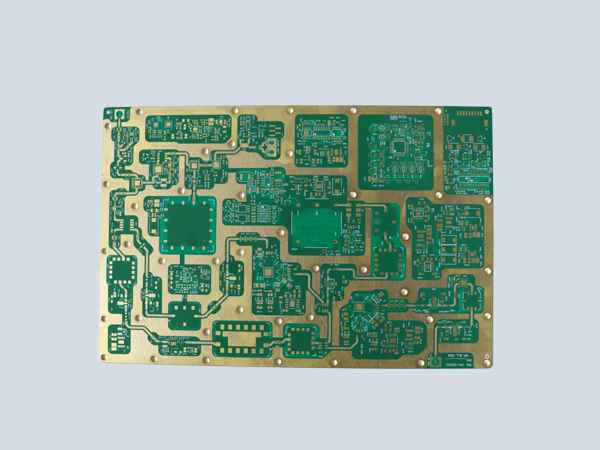
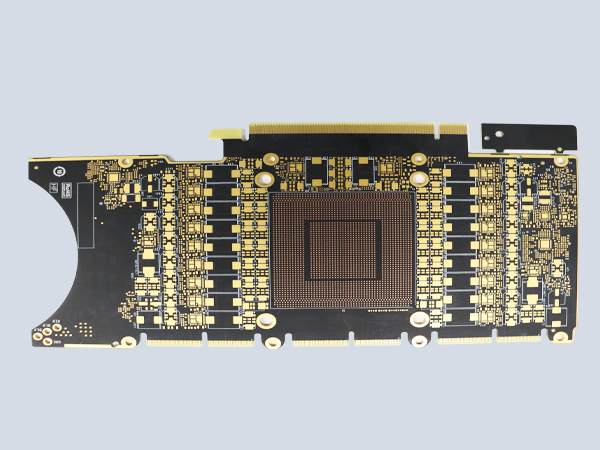
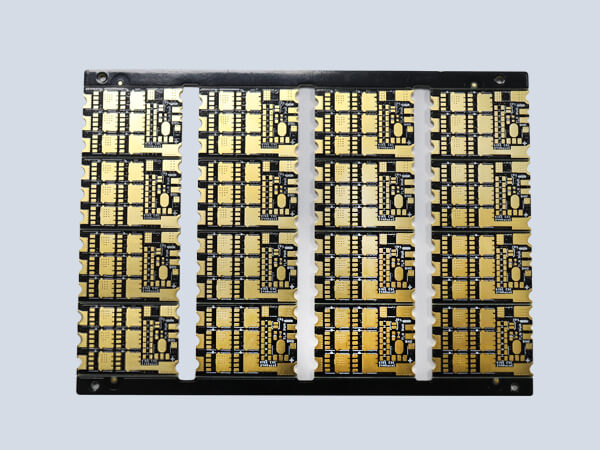
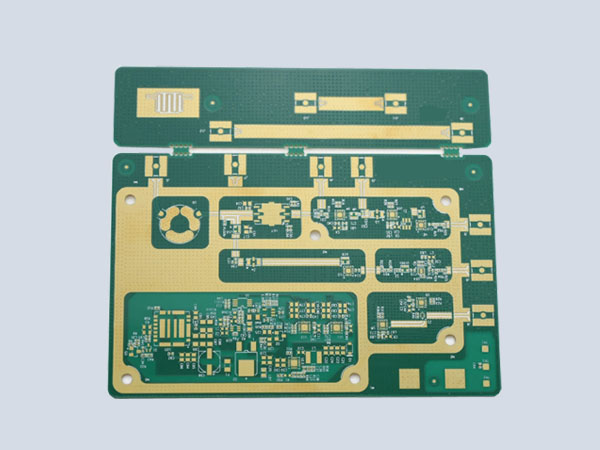
What is a multi-layer circuit board? The dual panel is the middle layer of the medium, with wiring layers on both sides. A multi-layer circuit board is a multi-layer wiring layer with a dielectric layer between every two layers. The dielectric layer can be made very thin. A multi-layer circuit board has at least three conductive layers, with two on the outer surface and the remaining layers synthesized in an insulating board. The electrical connection between them is usually achieved through plated through holes on the cross-section of the circuit board. Advantages and disadvantages of multi-layer circuit boards: high assembly density, small size, and light weight. Due to the high assembly density, the connections between components (including assemblies) are reduced, thereby improving reliability; The number of wiring layers can be increased to enhance the flexibility of the design; Can form a circuit with a certain impedance; Can form high-speed transmission circuits; Shielding layers for circuits and magnetic circuits can be set up, as well as metal core heat dissipation layers to meet the needs of special functions such as shielding and heat dissipation. Easy installation and high reliability. Disadvantages: High cost; Long cycle; We need highly reliable detection methods. Multilayer circuit boards are a product of the development of electronic technology towards high speed, multifunctionality, large capacity, and small size. With the continuous development of electronic technology, especially the widespread and in-depth application of VLSI, multilayer circuit boards are rapidly developing towards high-density, high-precision, and high-level digitization. In order to meet market demand, some technologies have emerged, such as micro wires, small aperture penetration, blind hole burial, and high plate thickness to aperture ratio. The difference between multi-layer circuit board and double-sided board. Multilayer circuit board is a type of printed circuit board, which is composed of alternating layers of conductive patterns and insulating materials laminated and bonded together. The number of conductive patterns is more than three, and the electrical interconnection between layers is achieved through metalized holes. If a double-sided board is used as the inner layer and two single boards are used as the outer layer, or two double-sided boards are used as the inner layer and two single boards are used as the outer layer, the conductive patterns are laminated together through a positioning system and insulating adhesive material, and the conductive patterns are interconnected according to design requirements, then four layer and six layer printed circuit boards, also known as multi-layer PCB circuit boards, are formed. Compared with the production process of general multi-layer and double-sided boards, the main difference is that multi-layer boards have added several unique process steps: inner layer imaging blackening, lamination, gravure printing, and de drilling. In most identical processes, some process parameters, equipment accuracy, and complexity are also different. For example, the internal metallization connection of multi-layer boards is the determining factor of their reliability, and the quality requirements for hole walls are stricter than those for double-layer boards, so the requirements for drilling holes are higher. In addition, the number of stacked plates, drill speed, and feed rate for each drilling are different from those for double-sided plates. The inspection of finished and semi-finished products of multi-layer boards is much stricter and more complex than that of double-sided boards. Due to the complex structure of multi-layer boards, a glycerol hot melt process with uniform temperature should be used instead of an infrared hot melt process that may cause excessive local temperature rise.
 QR code WeChat
 Whatsapp