Multi-layer PCB, HDI PCB, Rigid-flex PCB, PCBA factory


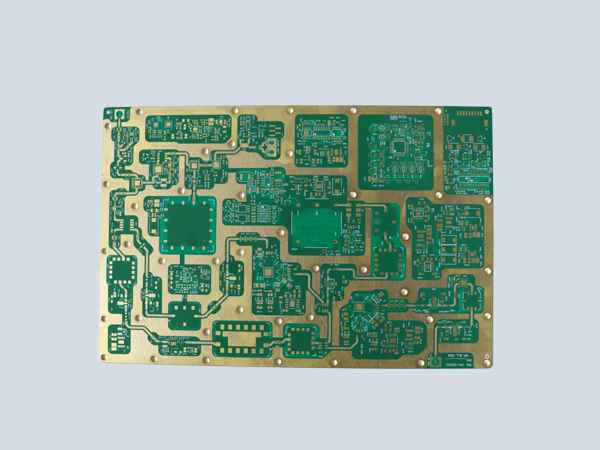
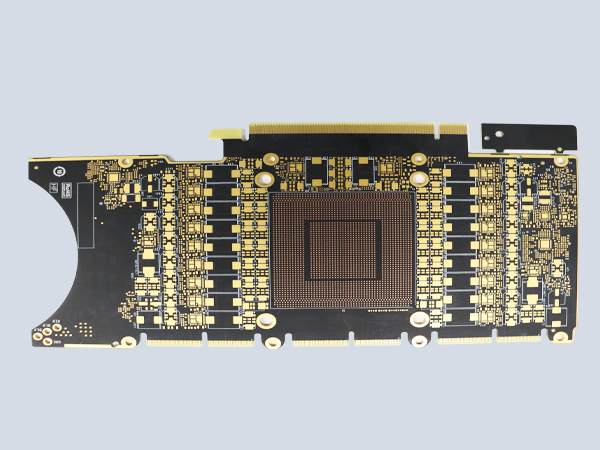
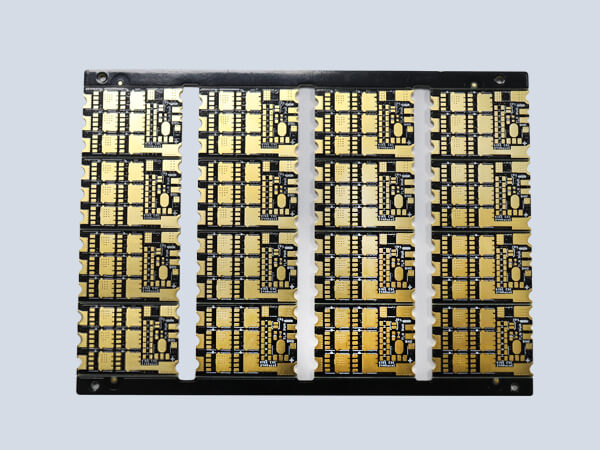
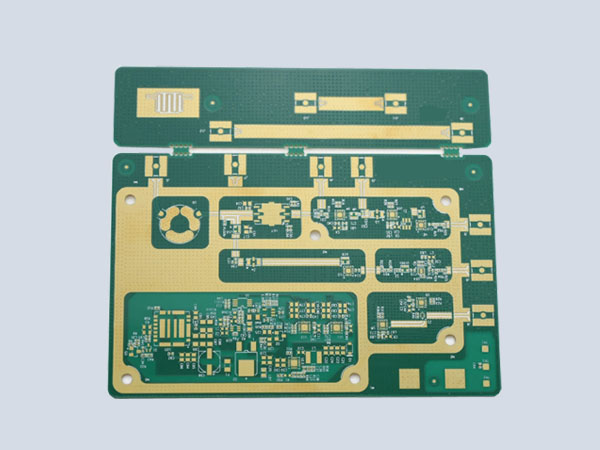
PCB circuit board, as a support for electronic components, has a wide range of applications and excellent heat dissipation and insulation characteristics. According to the editor's understanding, there are four commonly used materials for PCBs: FR-4, resin, fiberglass cloth, and aluminum substrate. 1.FR-4。 FR-4 is only a heat-resistant material grade rather than a name, referring to the material specification where resin materials must extinguish themselves after combustion. There are many types of FR-4 grade materials currently used in circuit boards, most of which are composite materials made of Tera FuncTIon epoxy resin, fillers, and fiberglass. 2. Resin. A commonly used epoxy resin material in the PCB industry, thermosetting materials can produce polymer polymerization reactions. Resin has excellent electrical insulation properties and can be used as an adhesive between copper foil and reinforcement (glass fiber cloth), with characteristics such as electrical, heat resistance, chemical resistance, and water resistance. 3. Fiberglass cloth. Inorganic substances are fused at high temperatures and then cooled to form amorphous hard materials, which are interwoven with warp and weft threads to form reinforcing materials. The commonly used specifications for E-glass fiber cloth are: 106, 1080, 3313, 2116, 7628. 4. Aluminum substrate.
The main component of an aluminum substrate is aluminum, consisting of copper foil, insulation layer, and aluminum sheet. Aluminum substrate has excellent heat dissipation function, so it is now widely used in the LED lighting industry.
PCB board is the basic material of PCB, often referred to as substrate. Copper clad laminate (CCL), also known as copper-clad laminate, is made of wood pulp paper or glass fiber cloth as reinforcement material, impregnated with resin, and covered with copper foil on one or both sides. Copper clad laminate is a fundamental material in the electronics industry, mainly used for processing and manufacturing printed circuit boards (PCBs), widely used in electronic products such as televisions, radios, computers, mobile phones, and communications.
According to different classification criteria, the categories are as follows
1: According to the mechanical stiffness of copper-clad laminates, they are divided into rigid copper-clad laminates and flexible copper-clad laminates;
2: According to the insulation material and structure of copper-clad laminates, they are divided into organic resin copper-clad laminates, metal based copper-clad laminates, and ceramic based copper-clad laminates;
3: According to the flame retardant level, rigid copper-clad laminates are divided into flame retardant boards and non flame retardant boards: according to UL standards (UL94, UL746E, etc.), the flame retardant level of rigid copper-clad laminates is divided into four different types of resistance and combustion level: UL-94V0 level; UL-94V1 level; UL-94V2 level and UL-94HB level.
4: According to the thickness of copper-clad laminates, they are divided into thick plates (with a thickness range of 0.8~3.2mm (including Cu)) and thin plates (with a thickness range less than 0.78mm (excluding Cu));
5: Copper clad laminates can be divided into five categories based on the reinforcing material of the board:
1: Paper-based;
2: Glass fiber cloth base;
3: Composite base (CEM series);
4: Laminated multi-layer board substrate;
5: Special material base (ceramic, metal core base, etc.).
6: According to the different resin adhesives used, they can be divided into:
1: Common paper-based CCIs include phenolic resins (XPc, XxxPC, FR-1, FR-2, etc.);
2: Epoxy resin (FE-3)
3: Polyester resin
4: Other special resins (with glass fiber cloth, nylon, non-woven fabric, etc. as auxiliary materials): (1) Bismaleimide modified triazine resin (BT) (2) Polyimide resin (PI) (3) Polyphenylene ether resin (PPO)
(4) Maleimide styrene resin (MS) (5) cyanate ester resin (6) polyolefin resin 7: Copper clad laminates are classified according to TG grade (Tg is an important item for measuring and characterizing the heat resistance of some glass fiber cloth based copper clad laminates (such as FR-4). For high reliability design, designers tend to choose high Tg boards, which are classified from bottom to top according to grade level as follows: FR-4A1 grade: This grade is mainly used for electronic products such as military, communication, computer, digital circuits, industrial instruments, automotive circuits, etc.
FR-4A2 level: This level is mainly used for ordinary computers, instruments and meters, advanced home appliances, and general electronic products. This series of copper-clad laminates has a wide range of applications and various performance indicators can meet the needs of general industrial electronic products.
FR-4A3 level: This CCL is specifically developed and produced for the home appliance industry, computer peripherals, and general electronic products (such as toys, calculators, game consoles, etc.) as FR-4 products. Its characteristic is that the price is highly competitive while meeting the performance requirements.
FR-4AB grade: This grade is a unique low-end product. However, all performance indicators can still meet the needs of ordinary household appliances, computers, and general electronic products. Its price is the most competitive and the cost-effectiveness is also quite good. FR-4B grade: This grade of board is of poor quality and has poor quality stability. Not applicable to large-area circuit board products. Generally applicable to products with dimensions of 100mm x 200mm. It is the cheapest, but customers should choose to use it with caution. CEM-3 series: This type of product has three substrate colors, namely white, black, and natural color. Mainly used in the computer, LED industry, watches, general household appliances, and general electronic products (such as VCDs, DVDs, toys, game consoles, etc.). Its main feature is good punching performance, suitable for large PCB products that require punching process molding. This series of products has three quality levels: A1, A2, and A3, which can be used by customers with different requirements.
 QR code WeChat
 Whatsapp